
Topic: Limestone

Limestone comes up in 8 chapters across 8 episodes of The Higherside Chats Free Show, from May 2015 to August 2026.

May 2015 August 2026

Related topics

The Ethical Skeptic Roger B. Cunningham | ECDO Theory, Pole Shifts Explained, & Earth’s Cataclysmic Cycle
• 21:35 - 27:01

The Ethical Skeptic Roger B. Cunningham | ECDO Theory, Pole Shifts Explained, & Earth’s Cataclysmic Cycle

Tidal Banding, Khafre Pyramid and Reconstituted Limestone

The Khafre pyramid at Giza exhibits physical evidence of a massive oceanic inundation in the form of a tidal band near its summit. While the very top retains intact Tura limestone, the middle section shows parabolic erosion caused by sustained sea levels approximately 576 feet higher than current levels. The presence of 55,000 tons of travertine detritus at the base suggests the limestone casing stones were dissolved by carbonic acid in ocean water rather than being scavenged by later civilizations.

khafre pyramidtura limestonetidal bandingcarbonic acidtravertinegiza
Michael Cremo | Extreme Out Of Place Artifacts, More Forbidden Archaeology, & Vedic Cosmology
• 15:30 - 17:05

Michael Cremo | Extreme Out Of Place Artifacts, More Forbidden Archaeology, & Vedic Cosmology

Anomalous Artifacts and the Missing Shoe Print Fossil

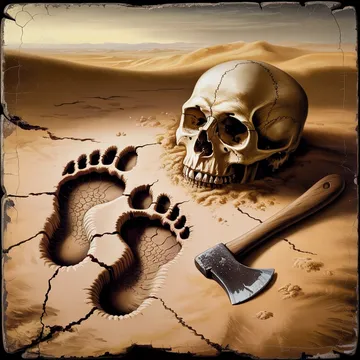
Various anomalous finds are cited, including a rhino butchering site and human footprints in 333-million-year-old limestone in Saint Louis. A specific case involves a fossilized shoe print estimated to be 208 million years old. Although the Rockefeller Institute reportedly took photos of the artifact, the physical object itself has since gone missing from the public record.

rhino butcheringsaint louislimestonerockefeller instituteshoe print
Andrew Hall | Electric Universe Geology, Megalithic Cultures, & Bigfoot
• 31:49 - 35:47

Andrew Hall | Electric Universe Geology, Megalithic Cultures, & Bigfoot

Electrical Continuity in Ancient Stone Masonry

Hall examines the specific materials and construction techniques used in megalithic sites, such as the use of conductive granite in limestone beds. He interprets the T-shaped and L-shaped indentations found in ancient ruins globally as slots for metal connectors intended to provide electrical continuity. According to this theory, these connectors prevented dangerous electrical sparking between massive stones during high-energy atmospheric events.

granitelimestoneelectrical continuitymetal connectorsmegaliths
The Ethical Skeptic | Embargoed Information, Syndicate Anti-Wisdom, & The Mysteries of Life
• 49:29 - 51:35

The Ethical Skeptic | Embargoed Information, Syndicate Anti-Wisdom, & The Mysteries of Life

Bric-a-Brac Erosion and the Submerged Khafren Pyramid

The guest describes a specific "bric-a-brac" erosion pattern on the Khafren pyramid in Egypt, located just below its remaining limestone cap. Drawing on 40 years of sailing experience, he identifies this as a horizontal band caused by standing ocean water. He concludes that the pyramid was once partially submerged, which explains the loss of its outer casing stones, and argues that this evidence is being suppressed to maintain the current historical narrative.

khafren pyramidtura limestonebric-a-brac erosionsphinxflood evidenceegypt
Alex Chionetti | The Tayos Caves, Ancient Artifacts, & The Inner Terrestrials
• 14:05 - 18:48

Alex Chionetti | The Tayos Caves, Ancient Artifacts, & The Inner Terrestrials

Megalithic Architecture and Advanced Polishing Techniques

Explorers in the Tayos Caves identified architectural features including rectangular cutting angles, polished tunnels, and giant megaliths supporting gallery ceilings. Chianetti argues these features defy natural geological explanations and resemble the advanced masonry found at Incan sites. He also notes the mystery of why such advanced builders used the quipu mathematical system instead of traditional written scripture.

Cory Daniel | The Phoenix Enigma, Freemasons, Giants, & Esoteric Arizona
• 35:18 - 38:58

Cory Daniel | The Phoenix Enigma, Freemasons, Giants, & Esoteric Arizona

Prospecting and Botanical Indicators for Hidden Caves

Corey Daniel shares anecdotes from his time prospecting with Jim Miller, an associate of Carlos Castaneda. He explains how specific botanical markers, such as juniper trees or octo cactus over limestone, can indicate the presence of underground mineral deposits or hidden cave systems in the Arizona backcountry.

Brien Foerster | Elongated Skulls, Lost Continents, & Ancient Tech
• 32:10 - 34:43

Brien Foerster | Elongated Skulls, Lost Continents, & Ancient Tech

Sphinx Weathering, Robert Schoch and Rainfall Erosion

Geologist Dr. Robert Schoch identified vertical weathering lines on the Great Sphinx that could only have been caused by heavy, prolonged rainfall. This geological evidence suggests the Sphinx was constructed at least 10,000 to 12,000 years ago, predating dynastic Egypt by millennia. The tunnel systems beneath the Giza Plateau further support the idea that these structures were discovered and reused by later civilizations.

Gordon White | Pig/Chimp Hybrids, Directed Panspermia, DNA, & More Human Story Strangeness
• 32:24 - 35:40

Gordon White | Pig/Chimp Hybrids, Directed Panspermia, DNA, & More Human Story Strangeness

Orion Correlation Theory, Giza Geology, and Ancient Graveyards

Robert Bauval's Orion Correlation Theory posits that the three Great Pyramids of Giza match the belt stars of the Orion constellation. The geology of the Giza Plateau, characterized by limestone caves, suggests the site served as a symbolic and physical map of the afterlife for tens of thousands of years. Evidence of rainfall damage on the Sphinx supports the idea that the site predates the standard dynastic timeline.