Topic: Legalization

Legalization comes up in 68 chapters across 61 episodes of The Higherside Chats Free Show, from February 2012 to February 2026.

February 2012 February 2026

Related topics

In The Weeds #2: Epstein Edition
• 10:49 - 12:39

In The Weeds #2: Epstein Edition

Legal Deposition Tensions and Media Exhaustion

The narrative touches on the ongoing legal developments involving Prince Andrew, Ghislaine Maxwell, and Les Wexner. During a deposition, Wexner's lawyer reportedly made a threatening remark when the subject of Epstein representing the Rothschilds was raised. Despite the gravity of these events, the host expresses a sense of exhaustion with the constant media coverage of the Epstein saga while acknowledging the necessity of addressing the latest file releases.


7Sees | Technocracy Take Over, Shady Sponsors of Podcasting, & The Web Of Lies
• 30:33 - 34:25

7Sees | Technocracy Take Over, Shady Sponsors of Podcasting, & The Web Of Lies

Archetypes of Conspiracy and Legal Deterrents

The hosts discuss how the public persona of Alex Jones was used to create a negative archetype of conspiracy theorists to deter the general public from "rabbit holes." They argue that the billion-dollar judgment against Jones serves as a warning to others who question official narratives. The segment concludes that the legal system is being used to protect the emotional weight of certain events from scrutiny.

Carrie Olaje | Surviving Satanic Ritual Abuse, Mind Control Programing, & Human Hunting Parties
• 58:19 - 1:03:29

Carrie Olaje | Surviving Satanic Ritual Abuse, Mind Control Programing, & Human Hunting Parties

Host Reflection, Handler Name Redaction

Greg Carlwood reflects on the intensity of the interview, calling it the darkest story in the show's history. He explains his decision to redact the real name of Olajeh's handler for legal and safety reasons, despite his initial inclination to leave it in. He notes that the handler is often referred to by the pseudonym "Smeagol" in other interviews.

redactionpseudonymsmeagolsurvivor testimonylegal risk
Brad Olsen | Beyond the Prison Planet: Monatomic Gold, Exotic Energy, Black Goo, & More
• 30:02 - 33:17

Brad Olsen | Beyond the Prison Planet: Monatomic Gold, Exotic Energy, Black Goo, & More

Jordan Maxwell, Legal Disputes and Esoteric Mentorship

The host and guest reflect on the legacy of Jordan Maxwell, a prominent figure in the study of esoteric symbols and the legal structure of the "chattel system." They discuss the strange legal disputes surrounding Maxwell's name and materials toward the end of his life, including cease-and-desist letters sent to interviewers. Olson shares personal anecdotes about Maxwell's struggles with agents and his role as a mentor.

Michael A. Hoffman II | The Cryptocracy, Twilight Language, & Public Psychodrama Rituals
• 56:52 - 58:57

Michael A. Hoffman II | The Cryptocracy, Twilight Language, & Public Psychodrama Rituals

Legal Prosecution, Jim Garrison and Researcher Burnout

Hoffman discusses the importance of attempting to bring occult criminals to justice through the court system, citing DA Jim Garrison's efforts as a model. He laments that many researchers have been "burned out" by an intentional occult process designed to induce hopelessness. He emphasizes the need for spiritual vigilance and calling on higher powers to resist the demoralization of psychological warfare.

Dr. Heather Lynn | Censoring Human Origins, Magic, Baphomet, & The Academic Blockade
• 16:48 - 20:00

Dr. Heather Lynn | Censoring Human Origins, Magic, Baphomet, & The Academic Blockade

Student Threats and the Loss of Academic Freedom

A recent tenure at a community college ended after a student made direct murder threats and physically harassed Dr. Lynn in class. The administration refused to provide security or discipline the student, instead demanding that Dr. Lynn remove existential and philosophical references from her humanities curriculum to avoid "offending" the individual. This conflict led to a final legal separation from traditional institutional teaching.

academic freedomhumanitieslegal disputeteachingsafety protocols
Chris Knowles | The Synchromystic Mind, Foundational Figures, & Perfecting The Art
• 48:06 - 51:12

Chris Knowles | The Synchromystic Mind, Foundational Figures, & Perfecting The Art

Kevin Spacey’s Legal Victories and Pattern Recognition

Kevin Spacey’s successful navigation of various legal challenges is analyzed through a synchronistic lens. The guest notes the strange timing of related events, such as the death of a witness in "Quincy Center" near a prominent Masonic lodge. Spacey is described as a "background watcher" who understands the patterns of power, allowing him to anticipate and overcome accusations that would bury other public figures.

David Barnhizer | Conformity Colleges, Education Infiltration, & Weaponized Compassion
• 22:28 - 24:53

David Barnhizer | Conformity Colleges, Education Infiltration, & Weaponized Compassion

Critical Legal Studies, Harvard Law School and European Deconstructionism

Barnheiser traces the origins of modern academic activism back to the Critical Legal Studies (CLS) movement at Harvard Law School in the early 1970s. He identifies figures like Duncan Kennedy and Derrick Bell as early proponents who integrated European deconstructionism into American law. This movement eventually evolved into Critical Race Theory, aiming to weaken fundamental American ideals through the strategic use of language.

harvard law schoolduncan kennedyderrick bellcritical legal studiesmarxismdeconstructionism
Leigh Dundas | Human Trafficking, Brothel Busting, & Sadness In Southeast Asia
• 41:48 - 49:13

Leigh Dundas | Human Trafficking, Brothel Busting, & Sadness In Southeast Asia

Legal Prostitution, Sweden Model and Sex Trafficking

Lee Dundas rejects the idea that legal prostitution reduces exploitation, saying legalization expands illicit sex, drugs, and trafficking. She points to Sweden's buyer-criminalization model as a better deterrent and argues that most women in commercial sex were abused before adulthood.

legal prostitutionnevadaswedensex traffickingjohnssexual abuseexploitation
Leigh Dundas | Human Trafficking, Brothel Busting, & Sadness In Southeast Asia
• 1:11:08 - 1:20:28

Leigh Dundas | Human Trafficking, Brothel Busting, & Sadness In Southeast Asia

Perspective, Gratitude and Limits of Legalization Debate

The conversation turns reflective as Lee Dundas urges gratitude, civic resistance, and practical activism over despair. Greg Carlwood closes by recounting a Cambodian refugee story and voicing skepticism about legal prostitution, while still emphasizing the need to keep trafficking victims in mind.

Ed Calderon | Mexican Cartel Intel, Cross-Boarder Trafficking, & Their Alliance With China
• 33:15 - 35:47

Ed Calderon | Mexican Cartel Intel, Cross-Boarder Trafficking, & Their Alliance With China

Marijuana Legalization, Cartel Operations on U.S. Federal Lands

The legalization of marijuana in the United States has not negatively impacted cartel profits; instead, it provided avenues for money laundering and legitimate business fronts. Cartels continue to operate illegal grow sites on U.S. federal lands, protected by armed security units. Author John Nores documented these tactical confrontations in his book "Hidden War," highlighting the presence of cartel infrastructure deep within American territory.

marijuana legalizationcoloradofederal landsjohn noreshidden war
Clive De Carle | Tesla’s Healing Device, The Secret Health Club, & Urine Therapy
• 26:11 - 27:48

Clive De Carle | Tesla’s Healing Device, The Secret Health Club, & Urine Therapy

Rockefeller Medicine, Flexner Report, and Legal Restrictions

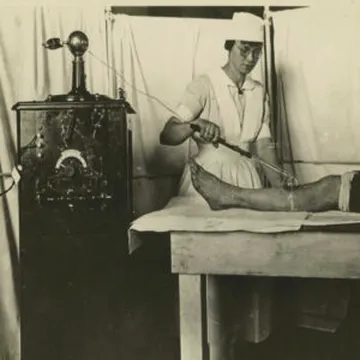
DeCarle describes how the Rockefeller family influenced medical education by funding schools that agreed to stop teaching homeopathy, herbalism, and electrotherapy. This shift created a medical cartel that prioritizes surgery, radiation, and drugs. He notes the legal risks of using words like "cure" or "cancer" in England, which can result in imprisonment for non-doctors.

Mike Cobb | Freedom Living In Central America, ECI Development, & The Best Expat Options
• 48:05 - 51:00

Mike Cobb | Freedom Living In Central America, ECI Development, & The Best Expat Options

El Salvador Adopting Bitcoin as Legal Tender

On September 9, 2021, El Salvador became the first nation to adopt Bitcoin as legal tender alongside the U.S. dollar. Mike Cobb discusses the mixed reception of this policy, noting that while price volatility has affected speculators, the transactional utility remains high. He explains how President Bukele's administration sought advice from the El Zonte community to implement the technology on a national scale.

nayib bukelelegal tenderbitcoin beachftxcurrency volatility
Mike Colomb | The Forgotten Power Of Private Membership Associations
• 1:06:18 - 1:08:42

Mike Colomb | The Forgotten Power Of Private Membership Associations

Greg Carlwood's Post-Interview Reflections on Legal Loopholes

In his solo wrap-up, Greg Carlwood admits his initial skepticism toward "legal loophole" or "sovereign citizen" topics, which he often finds impractical. However, he notes that Mike Collum's real-world experience with PMAs during the COVID-19 lockdowns makes the concept more credible. Carlwood observes that many businesses operated informally as private clubs during the pandemic to survive.

jordan maxwellmaritime lawsovereign citizencovid lockdownslegal infrastructure
Ole Dammegård | The War On Bitcoin, The Wag The Dog Template, & Media Manipulation
• 6:11 - 9:25

Ole Dammegård | The War On Bitcoin, The Wag The Dog Template, & Media Manipulation

Miami Bitcoin Conference and Third World Adoption

A massive Bitcoin conference held in Miami in June 2021 is cited as a turning point where several nations expressed interest in making Bitcoin legal tender. El Salvador, Panama, Paraguay, and Ukraine are identified as the primary countries pursuing this financial shift. The guest posits that Bitcoin's decentralized nature poses a direct threat to the New World Order's goal of centralized power.

Gabriel Custodiet | Privacy, Personal Security, & Freedom In The Digital Dystopian Age
• 5:06 - 7:32

Gabriel Custodiet | Privacy, Personal Security, & Freedom In The Digital Dystopian Age

Cybercrime Statistics and the Legal Industrial Complex

Statistics from 2021 indicate that cybercrime accounted for $6 trillion in losses, often targeting poorly secured bank and Coinbase accounts. The discussion highlights the "legal industrial complex" in the United States, noting that one in twenty people will spend time in jail. Privacy is framed not just as protection from the government, but as a way to cultivate an individual mind free from media influence.

cybercrimecoinbasebig techincarcerationlegal industrial complex
Marty Leeds | Gnostic Christianity, De-Occulting Space X, & The Septenary Cipher
• 1:07:58 - 1:12:27

Marty Leeds | Gnostic Christianity, De-Occulting Space X, & The Septenary Cipher

Redeclaration of We The People and Immunity Passports

Marty Leeds discusses his project, "The Unanimous Redeclaration of WE THE PEOPLE," which serves as a modern rewrite of the Declaration of Independence. The document is designed as a passport-sized book that functions as a legal affidavit of status. Leeds shares an anecdote of a traveler successfully using the document as identification to fly, framing it as a grassroots alternative to government-mandated vaccine passports.

declaration of independencevaccine passportsaffidavit of statusflattoberfestlegal documentation
Ryan Hampton | The Opioid Crisis, The Sackler Family, & The Purdue Pharma Case
• 40:07 - 43:07

Ryan Hampton | The Opioid Crisis, The Sackler Family, & The Purdue Pharma Case

Unsecured Creditors Committee and Bankruptcy Reform

Ryan Hampton served as co-chair of the official Unsecured Creditors Committee, acting as a watchdog during the Purdue Pharma bankruptcy proceedings. While the committee had the power to conduct depositions and view internal Sackler emails, Hampton concluded the process was rigged to benefit everyone except the victims. He now advocates for massive bankruptcy reform to prevent corporations from using the system to evade accountability.

department of justiceunsecured creditors committeediscoverylegal reformsettlement
Ryan Hampton | The Opioid Crisis, The Sackler Family, & The Purdue Pharma Case
• 43:08 - 47:48

Ryan Hampton | The Opioid Crisis, The Sackler Family, & The Purdue Pharma Case

State Attorneys General and the Victim Payout Disparity

State Attorneys General are criticized for prioritizing state treasuries over individual victims during settlement negotiations. In private sessions, officials like New York's David Nachman allegedly argued that victims deserved nothing because they "did this to themselves." The current $10 billion plan allocates 92.5% of funds to governments and corporations, leaving victims with payouts as low as $3,500 for the loss of a loved one.

david nachmannew yorksettlementvictim compensationlegal fees
Ryan Hampton | The Opioid Crisis, The Sackler Family, & The Purdue Pharma Case
• 51:11 - 54:17

Ryan Hampton | The Opioid Crisis, The Sackler Family, & The Purdue Pharma Case

Legal Profiteering and Sackler Family Wealth Projections

While 138,000 victims are set to share $750 million, fewer than 1,000 lawyers involved in the Purdue bankruptcy will take home over $1.3 billion in fees. Furthermore, because the Sacklers' $4.5 billion settlement is paid out over a decade, the family's net worth is projected to grow from $11 billion to $16 billion through standard investment interest, effectively making the settlement cost-free for them.

legal feescontingency feeswealth managementinterest ratessettlement