
Topic: Serpent Mound

Serpent Mound comes up in 6 chapters across 6 episodes of The Higherside Chats Free Show, from December 2015 to January 2025.

December 2015 January 2025

Related topics

Andrew Collins | Karahan Tepe, Entering Sky World, & Plasma Being Communication Rituals
• 26:19 - 33:43

Andrew Collins | Karahan Tepe, Entering Sky World, & Plasma Being Communication Rituals

Snake Genius Symbolism and the Pillar Shrine at Karahantepe

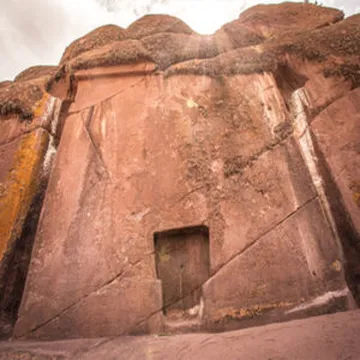
The Pillar Shrine at Karahantepe is shaped like a snake's head, featuring a porthole entrance that required shamans to crawl inside to communicate with a "snake genius." This serpentine intelligence is linked to the Milky Way, which many cultures from India to North America viewed as a world-encircling serpent or Oroboros. The constellation Ophiuchus and the Serpent Mound in Ohio are cited as further evidence of this universal ancient focus on serpentine sky lore.

snake geniuspillar shrineophiuchusoroborosserpent mound

The discussion explores the theory that American elites belong to a "Watchers cult" rooted in astrognosis and Greco-Roman mythology. Evidence is cited in the preservation of Native American mounds by the Society of the Cincinnati and the construction of pagan-style shrines like the Biltmore Estate and the Parthenon in Nashville. These sites are viewed as ritualistic structures built by blue-blood dynasties to recreate ancient traditions in North America.

chris knowlesserpent moundsociety of the cincinnatibiltmore estatepallas athena
Jason Quitt | Entity Interaction Dynamics, Astral Genesis, & Stonegate Portals
• 49:54 - 51:55

Jason Quitt | Entity Interaction Dynamics, Astral Genesis, & Stonegate Portals

Serpent Mound, Timekeeping and Solar Symbolism

Jason Quitt describes the Serpent Mound in Ohio and similar structures in Ontario as sophisticated earth timepieces aligned with the sun's movements. He shares a personal observation from Rice Lake, Canada, where the summer solstice sun created a serpentine reflection on the water. This visual phenomenon likely inspired the ancient motif of the serpent chasing or devouring the sun, serving as a symbolic representation of time and space.

Nathan Isaac | High Strangeness In The Penny Royal
• 7:14 - 8:54

Nathan Isaac | High Strangeness In The Penny Royal

Adena Mounds, Ancient Earthworks, and Highway 39

The Pennyroyal region contains numerous ancient earthworks and Adena mounds belonging to the Hopewell culture, similar to the Serpent Mound in Ohio. Highway 39, one of the oldest roads in America, follows ancient buffalo traces and the Great Warrior Way, cutting directly through these high-strangeness areas. These sites are noted for their historical connection to indigenous tribes and modern paranormal sightings.

adena moundshopewell cultureserpent moundhighway 39great warrior way
Chad Stuemke | Esoteric Architecture, Stargate Detroit, & The Great Lakes Triangle
• 1:00:29 - 1:05:36

Chad Stuemke | Esoteric Architecture, Stargate Detroit, & The Great Lakes Triangle

Fault Line Park and the San Diego Fault Whisperer

Greg Carlwood shares research Chad Stemke conducted on San Diego's "Fault Line Park," which features an installation titled "Fault Whisperer" by artist Po Shu Wang. The park contains stainless steel spheres that monitor the Rose Canyon Fault and broadcast musical notes based on tectonic movement. Stemke identifies esoteric elements in the park, including mounds and a serpentine path that mimics the famous Serpent Mound in Ohio.

fault line parksan diegopo shu wangrose canyon faultserpent mound
Peter Levenda | Sinister Forces, Occult History, & The Nine
• 9:29 - 12:01

Peter Levenda | Sinister Forces, Occult History, & The Nine

Pre-Columbian America, Ancient Earthworks and Mound Builder Sophistication

Peter Levenda describes an ancient America characterized by sophisticated civilizations that built massive earthen monuments rather than stone structures. He compares the volume and astronomical precision of North American mounds, such as the Serpent Mound, to the pyramids of Egypt and Mesopotamian temples. This "corn-fed consciousness" often ignores the rich, spiritual history of the landscape that existed long before European arrival.