
Topic: Quantitative Easing

Quantitative Easing comes up in 6 chapters across 6 episodes of The Higherside Chats Free Show, from December 2013 to December 2025.

December 2013 December 2025

Related topics

Etienne De La Boetie 2 | Mind Control America, The Statism Psyop, & The Art of Liberty
• 3:25 - 5:46

Etienne De La Boetie 2 | Mind Control America, The Statism Psyop, & The Art of Liberty

Fractional Reserve Banking, The Mechanics of Wealth Theft

The Art of Liberty Foundation posits that government is a criminal enterprise designed for robbing populations through fractional reserve banking. Banks create currency out of thin air when issuing loans, a process that inherently devalues existing currency and steals purchasing power from the public. This inflationary mechanism is described as a form of tax slavery that reduces the individual's share of global wealth.
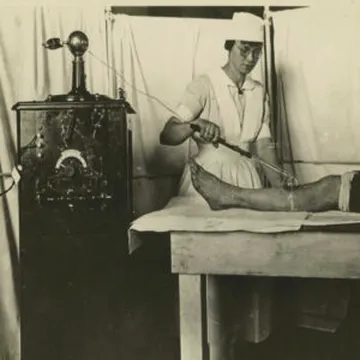

Clive De Carle | Tesla’s Healing Device, The Secret Health Club, & Urine Therapy
• 4:57 - 7:40

Clive De Carle | Tesla’s Healing Device, The Secret Health Club, & Urine Therapy

Bradbury Pound, Greenback Dollar, and Interest-Free Currency

Clive DeCarle details the history of the Bradbury Pound in 1914 England, where the government printed interest-free money to prevent bank runs during World War I. He compares this to the American Greenback dollar, suggesting that governments should print currency based on the nation's value rather than borrowing from banks at interest. This economic shift is presented as a way to prevent the devaluation of currency caused by debt-based quantitative easing.

bradbury poundgreenback dollarbank runs1914interest-free moneyquantitative easing
Jeff Harman | The Energies in 2023, The 4 Worlds, & The Multidimensional Matrix Of The Soul
• 23:06 - 25:41

Jeff Harman | The Energies in 2023, The 4 Worlds, & The Multidimensional Matrix Of The Soul

Energy Suppression and the Destruction of the Economy

The intentional choking of the economy is discussed through the lens of rising fuel costs and Federal Reserve tightening. Jeff Harmon claims that low-cost energy technologies like hydrogen have been suppressed by the military and global elites. He argues that the destruction of the U.S. economy is a goal of the "New One World Order" because the Constitution obstructs fascism.

Scott Santens | Universal Basic Income
• 32:18 - 36:01

Scott Santens | Universal Basic Income

Monetary Policy, Citizens Seigniorage vs Bank Debt

Instead of banks creating money as debt, proponents suggest "Citizens Seigniorage," where new money is born in the hands of citizens. This approach would mirror quantitative easing but direct funds to the public rather than financial institutions, potentially funding UBI without traditional taxation. Billionaire investor Bill Gross has expressed interest in such models to prevent economic stagnation caused by the current unsustainable debt-based circulatory system.

Ellen Brown | Bankster Thugs, The Web of Debt, & The Public Banking Solution
• 56:41 - 1:02:39

Ellen Brown | Bankster Thugs, The Web of Debt, & The Public Banking Solution

Eurozone Deflation, Syriza Party, and Systemic Change

The segment examines the deflationary crisis in the European Union caused by the rigid Euro structure. Brown discusses the rise of the Syriza party in Greece and similar anti-austerity movements in Spain as potential catalysts for breaking away from the Eurozone. She compares the current era to 1933, suggesting that a systemic reset similar to FDR's bank holiday and departure from the gold standard may be necessary to prevent a dystopian economic outcome.

THC 83: James Corbett | Fukushima, The Balance Of Power, & New Alternatives
• 45:10 - 47:46

THC 83: James Corbett | Fukushima, The Balance Of Power, & New Alternatives

Quantitative Easing, Public Apathy and Economic Cycles

Public interest in alternative economics often spikes during crises, such as the 2008 Lehman Brothers collapse, but fades quickly when corporate profits appear to recover. Quantitative easing is described as a tool used to placate the masses and maintain the status quo between crises. The discussion emphasizes the difficulty of transitioning people away from convenient corporate systems like Walmart toward more resilient local alternatives.

quantitative easinglehman brotherscorporate profitseconomic cycleapathy