

Topic: Publication Bias

Publication Bias comes up in 3 chapters across 3 episodes of The Higherside Chats Free Show, from September 2019 to September 2024.

September 2019 September 2024

Related topics

Dr. Roger McFillin | The Chemical Imbalance Myth, Predatory Psychiatry, & Mood Management Industry
• 16:15 - 19:45

Dr. Roger McFillin | The Chemical Imbalance Myth, Predatory Psychiatry, & Mood Management Industry

FDA Approval Process and the Failure of Long-Term Safety Studies

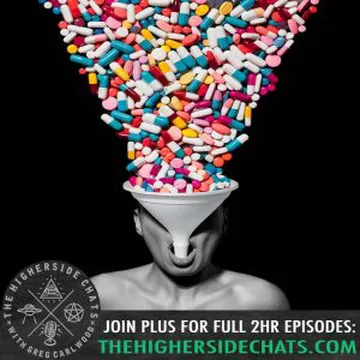
The FDA approval process for antidepressants is criticized for requiring only two positive studies while allowing companies to hide numerous failed trials through publication bias. Most clinical trials for these drugs last only six to eight weeks, failing to account for the long-term consequences of manipulating brain chemistry. The "serotonin deficiency" theory is described as an unproven hypothesis sold to doctors and the public to justify treating depression like diabetes.


fdaclinical trialspublication biasserotonin deficiencyplacebo effect
Angela J. Davis | Policing The Black Man, Arbitrary Justice, & A Broken System
• 33:19 - 37:52

Angela J. Davis | Policing The Black Man, Arbitrary Justice, & A Broken System

Implicit Bias and Disparities in Legal Empathy

Racial disparities in the legal system are often driven by implicit bias rather than conscious malice. Prosecutors may show more empathy toward defendants who remind them of themselves, such as a white student with access to private drug rehabilitation. Conversely, Black defendants represented by overworked public defenders often face harsher charges because they lack the same socioeconomic resources and perceived relatability.

implicit biaslegal representationpublic defendersracial stereotypesempathy gap
Marion Nestle | Food Politics, Industry-Funded Research, & The Unsavory Truth
• 24:38 - 28:32

Marion Nestle | Food Politics, Industry-Funded Research, & The Unsavory Truth

Research Design and the Tobacco Industry Playbook

Nestle explains that scientific bias often occurs in the design of the research question rather than the data collection itself. By asking narrow questions with predictable outcomes, companies ensure favorable results. This tactic is part of the "Tobacco Industry Playbook," which involves casting doubt on harmful research and hiring scientists to provide self-serving criticisms of independent studies.