Topic: Food Industry

Food Industry comes up in 12 chapters across 9 episodes of The Higherside Chats Free Show, from March 2013 to May 2026.

March 2013 May 2026

Related topics

Joel Salatin | Food Supply Problems, The MAHA Review, & Better Stewardship
• 0:01 - 2:30

Joel Salatin | Food Supply Problems, The MAHA Review, & Better Stewardship

Joel Salatin, Regenerative Farming and Industrial Food Systems

The industrial food industry is criticized for its reliance on genetically engineered crops, factory farming, and processed grains that contribute to modern health conditions. Joel Salatin, known as the "lunatic farmer" and owner of Polyface Farm in Swope, Virginia, is introduced as a leader in the sustainable regenerative farm movement. Salatin provides a template for decentralized food economies through his books, the Beyond Labels podcast, and educational courses at farmlikealunatic.com.


joel salatinpolyface farmregenerative agricultureindustrial foodswope virginia
Christian Westbrook | From Ice Age Farmer To Unshadowed & The Incoming Engineered Omnicrisis
• 0:00 - 2:21

Christian Westbrook | From Ice Age Farmer To Unshadowed & The Incoming Engineered Omnicrisis

Global Supply Chain Disruptions, Oil and Food Crises

Global supply chains are experiencing significant shockwaves due to erratic sanctions and strategic maneuvers on the grand chessboard. Economists identify the current situation as the largest oil supply shock in history, which is rapidly transitioning into a food crisis. Industrial farmers report that diesel shortages during key harvest periods have caused massive amounts of crops to rot in the fields, threatening food security for 2027.

supply chainoil shockfood crisisshadow governmentindustrial farmers
Dr. Russell Blaylock | Excitotoxins, Food Industry Corruption, & Killing Us Softly
• 23:34 - 26:07

Dr. Russell Blaylock | Excitotoxins, Food Industry Corruption, & Killing Us Softly

MSG Industry Growth, Tobacco Additives and Corporate Secrecy

Dr. Blaylock discusses the massive growth of the MSG industry, noting that production has doubled every decade since the 1940s. He reveals that excitotoxins are now being added to smoking tobacco to increase addiction. He recounts a private conversation with a food industry insider who admitted that companies will always find new names to hide MSG from consumers.

ajinomotomsgtobaccochicago tribunefood industryaddiction
Dr. Frédéric Leroy | The Food Control Cult, Anti-Meat Elite, & The Frankenfood Industrial Complex
• 1:33 - 3:11

Dr. Frédéric Leroy | The Food Control Cult, Anti-Meat Elite, & The Frankenfood Industrial Complex

Industrialization, Food Quality, and Global Control Strategies

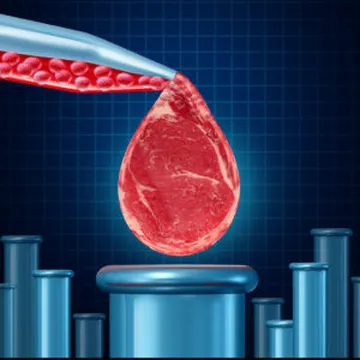
Food quality and control are identified as historical factors in class power, wartime strategy, and colonization. Suspicious events such as food factory fires, mass livestock culling based on PCR tests, and the scapegoating of cattle for corporate pollution are highlighted as evidence of a hostile takeover of the food supply. Multinational billionaire think tanks are accused of attempting to eradicate traditional food sources in favor of factory-made lab meat under the guise of sustainability.

industrializationfood securityfrankenmeatcorporate pollutionsustainability
Doug Lindamood | Factory Farms Vs. Regenerative Agriculture & The SonRise Ranch Way
• 6:29 - 8:48

Doug Lindamood | Factory Farms Vs. Regenerative Agriculture & The SonRise Ranch Way

Overcoming Fear of Independent Food Production

The conversation addresses the psychological difficulty of going against mainstream expert advice to pursue self-sufficient food production. Doug Lindemood emphasizes that 1.9% of Americans currently grow food for the rest of the population and encourages beginners to seek out support groups and online knowledge to overcome the feeling of isolation.

food securityvegetable gardensocial mediaagricultural industryself-sufficiency
Doug Lindamood | Factory Farms Vs. Regenerative Agriculture & The SonRise Ranch Way
• 11:01 - 14:19

Doug Lindamood | Factory Farms Vs. Regenerative Agriculture & The SonRise Ranch Way

Nutritional Density and Cooking Skills for Grass-Fed Beef

Doug Lindemood details the mechanical and nutritional differences between grass-fed and conventional beef, noting that his cattle are harvested at 22 to 29 months. He explains that grass-fed meat is four to six times more nutritionally dense, which often leads customers to feel fuller while eating smaller portions compared to industrial "super-sized" products.

grass-fed beefnutritional densityindustrial foodkitchen skillsvitamins
Doug Lindamood | Factory Farms Vs. Regenerative Agriculture & The SonRise Ranch Way
• 38:08 - 41:52

Doug Lindamood | Factory Farms Vs. Regenerative Agriculture & The SonRise Ranch Way

Industrial Meat Industry Vulnerability and Small Farm Agility

Doug Lindemood predicts that the industrial food system is entering a period of crisis as consumers become aware of low-quality products and heavy government subsidies. He argues that small, non-industrial farms are more agile and better equipped to innovate and outmaneuver massive corporate "battleships" like Tyson.

industrial foodsmall farmslobbyingsubsidiesmarket trends
Sally Fallon Morell | The Industrialized Diet, Nourishing Traditions, & The Contagion Myth
• 50:18 - 55:31

Sally Fallon Morell | The Industrialized Diet, Nourishing Traditions, & The Contagion Myth

Host Reflections on Dietary Trends and Corporate Food

Greg Carlwood reflects on the prevalence of veganism among previous guests and contrasts it with the Weston A. Price philosophy. He argues that conventional nutritional advice is often a "180-degree turn from the truth," designed to benefit the sugar and industrial seed oil industries. The segment critiques the systematic degradation of meat quality in factory farming and the legal barriers placed on unpasteurized dairy.

Marion Nestle | Food Politics, Industry-Funded Research, & The Unsavory Truth
• 1:29 - 4:13

Marion Nestle | Food Politics, Industry-Funded Research, & The Unsavory Truth

Marion Nestle and Corporate Influence in Food Science

Marion Nestle, a Professor of Nutrition and Public Health at NYU, is introduced as an expert on how food companies manipulate science and public perception. Her career spans decades of research into food politics, including her latest book, Unsavory Truth. The discussion highlights how industries ranging from pharmaceuticals to soda use biased science to inflate product benefits and obscure health risks.

marion nestlefood industrycorporate behemothsnutritionunsavory truth
Marion Nestle | Food Politics, Industry-Funded Research, & The Unsavory Truth
• 20:09 - 23:12

Marion Nestle | Food Politics, Industry-Funded Research, & The Unsavory Truth

Magical Thinking and the History of Vitamin Marketing

The food industry utilizes "magical thinking" to convince consumers that added vitamins or antioxidants negate the negative effects of calories or sugar. Nestle traces this trend back to the early 1900s when vitamins were first discovered and immediately used as sales devices for processed cereals. This marketing strategy exploits human psychology to drive market share in a highly competitive surplus food economy.

vitaminsmagical thinkingcereal industryfood marketingmarket share
McKay Jenkins | GMOs, Pesticides, & Toxic America
• 2:30 - 7:23

McKay Jenkins | GMOs, Pesticides, & Toxic America

Public Alienation, Historical Shift from Agrarian Society

McKay Jenkins explains that modern Americans are profoundly alienated from their food sources, noting that only 2% of the population works on farms today compared to over 50% in the mid-19th century. Using a 24-hour clock analogy for human history, he points out that farming has only existed for the equivalent of six minutes. This rapid shift has created a "deep ignorance" where most consumers cannot identify the origins or ingredients of the processed foods they consume.

agricultureurbanizationfood literacyindustrial farminghunter-gatherers
THC 46: James Colquhoun | Food Matters & Hungry For Change
• 12:00 - 13:26

THC 46: James Colquhoun | Food Matters & Hungry For Change

Food Matters Documentary, Nutritional Healing Success Story

The creation of the film Food Matters is detailed as a tool used to convince James Colquhoun's father to abandon his pharmaceutical regimen in favor of nutritional therapy. After adopting a diet of green juices, sprouts, and raw foods, the father reportedly lost 50 pounds and ceased taking six different medications. The success story is presented as evidence that lifting the veil on the food industry can lead to radical health transformations.

food mattersraw foodjuicingpharmaceutical industrysprouts