

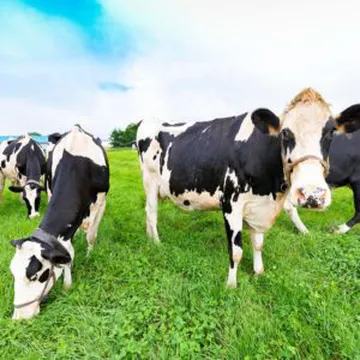
Topic: Animal Welfare

Animal Welfare comes up in 3 chapters across 3 episodes of The Higherside Chats Free Show, from March 2013 to January 2022.

March 2013 January 2022

Related topics

Joel Salatin | Sustainable Agricultural, Factory Farming Fallacies, & The Rural Tsunami
• 10:12 - 16:05

Joel Salatin | Sustainable Agricultural, Factory Farming Fallacies, & The Rural Tsunami

Pathogenic Risks, Mechanistic Views of Industrial Farming

The industrial agriculture complex is criticized for its mechanistic view of life, which prioritizes speed and cost over the biological needs of animals. Salatin describes how confinement operations create pathogen-friendly environments by depriving animals of sunshine and fresh air. In contrast, Polyface Farms uses "carbonaceous diapers" and deep bedding to foster beneficial microbes that naturally suppress disease.


pathogensconfinementhoop housescarbonaceous diaperbiologyanimal welfare
Phil Demers | Smooshi The Walrus, Marine Parks, & Animal Intelligence
• 28:24 - 30:48

Phil Demers | Smooshi The Walrus, Marine Parks, & Animal Intelligence

Smooshie Transfer Proposal, Toronto Zoo and Negotiation Terms

Demers proposes a simple resolution to the legal battle: the transfer of Smooshie to a willing facility, such as the Toronto Zoo, which is only 90 minutes away. He notes that four out of five walruses at Marineland have died recently, making the situation urgent for the sole survivor. He offers to end his public campaign against the park if they agree to move the animal to a social environment with other walruses.

toronto zoowalrus transfernegotiationanimal welfarecampaign
THC 46: James Colquhoun | Food Matters & Hungry For Change
• 51:12 - 53:36

THC 46: James Colquhoun | Food Matters & Hungry For Change

Energetics of Slaughter, Cortisol and Animal Welfare

The conversation touches on the "energetic transfer" between animals and humans, suggesting that the fear and anxiety experienced by factory-farmed animals during slaughter releases toxic hormones like cortisol and adrenaline into their meat. James Colquhoun argues that there is a biochemical difference between meat from a stressed animal and one raised ethically in a natural environment.