

Topic: Henry Luce

Henry Luce comes up in 3 chapters across 2 episodes of The Higherside Chats Free Show, from July 2016 to April 2022.

July 2016 April 2022

Related topics

Sean Peter | AntiWarhol, Culture Creation, & The Pop Art Syndicate
• 11:54 - 16:30

Sean Peter | AntiWarhol, Culture Creation, & The Pop Art Syndicate

Andy Warhol Career Origins and Time Life Magazine Connections

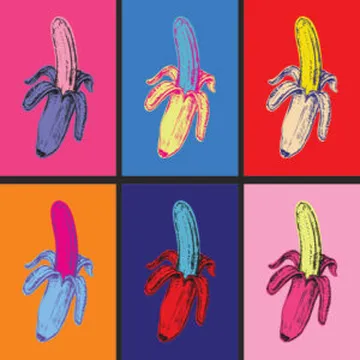
Andy Warhol's rise to fame is linked to Henry Luce and the intelligence-connected Time Life media empire. Warhol began as a commercial illustrator, filling a void left by artist Ben Shahn, who was blacklisted during the McCarthy era for alleged communist ties. By utilizing screen printing and mass-production techniques for images of Marilyn Monroe and Campbell’s Soup, Warhol amassed a collection of art worth nearly a billion dollars by his death in 1987.
andy warholhenry lucetime life magazineben shahnpop art
Sean Peter | AntiWarhol, Culture Creation, & The Pop Art Syndicate
• 20:33 - 24:14

Sean Peter | AntiWarhol, Culture Creation, & The Pop Art Syndicate

Henry Luce and Rockefeller Influence on American Media

The background of Life and Time magazines is explored, noting the involvement of Henry Luce, a member of Skull and Bones, and funding from the Rockefeller-linked Harkness family. These publications acted as the primary mainstream news organs of their time, similar to modern cable news networks. Warhol’s early success was bolstered by these outlets and individuals connected to the U.S. State Department’s cultural exchange programs with Russia.

F. William Engdahl | The Lost Hegemon, The Oligarchs’ Decline, & What Comes Next
• 2:18 - 5:27

F. William Engdahl | The Lost Hegemon, The Oligarchs’ Decline, & What Comes Next

American Century, Rockefeller Foundation, and the Hegemon Concept

The concept of a hegemon is defined through the lens of historical shifts from the British Empire to the United States after 1945. Henry Luce's 1941 "American Century" essay and the Rockefeller Foundation's funding of the Council on Foreign Relations are cited as foundational to U.S. global dominance. The use of atomic bombs in 1945 is characterized as a signal of hegemony directed toward Joseph Stalin rather than a military necessity for Japan's surrender.