

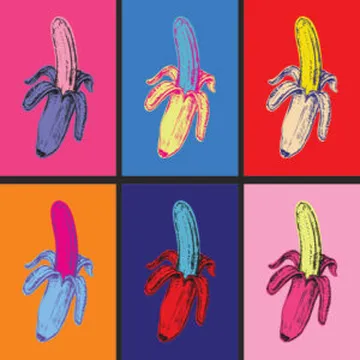
Topic: Pop Art

Pop Art comes up in 3 chapters across 1 episode of The Higherside Chats Free Show, in April 2022.

Related topics

Sean Peter | AntiWarhol, Culture Creation, & The Pop Art Syndicate
• 1:37 - 4:09

Sean Peter | AntiWarhol, Culture Creation, & The Pop Art Syndicate

Andy Warhol Myth Deconstruction and Anti-Warhol Book Introduction

Greg Carlwood introduces guest Sean Peter, author of the book Anti-Warhol, to discuss the manufactured nature of the modern art world. The conversation frames Andy Warhol not as a self-made genius, but as a figurehead backed by powerful interests to promote "Warholism." This deconstruction aims to reveal how the wider entertainment industry uses fabricated cultural figures to shape public perception and artistic themes.

andy warholsean peteranti-warholpop artculture creation
Sean Peter | AntiWarhol, Culture Creation, & The Pop Art Syndicate
• 11:54 - 16:30

Sean Peter | AntiWarhol, Culture Creation, & The Pop Art Syndicate

Andy Warhol Career Origins and Time Life Magazine Connections

Andy Warhol's rise to fame is linked to Henry Luce and the intelligence-connected Time Life media empire. Warhol began as a commercial illustrator, filling a void left by artist Ben Shahn, who was blacklisted during the McCarthy era for alleged communist ties. By utilizing screen printing and mass-production techniques for images of Marilyn Monroe and Campbell’s Soup, Warhol amassed a collection of art worth nearly a billion dollars by his death in 1987.

andy warholhenry lucetime life magazineben shahnpop art
Sean Peter | AntiWarhol, Culture Creation, & The Pop Art Syndicate
• 16:31 - 20:32

Sean Peter | AntiWarhol, Culture Creation, & The Pop Art Syndicate

Pop Art as a Tool for Cultural Subversion

The Pop Art movement is characterized as a deliberate effort by "culture shapers" to replace meaningful, politically charged art with empty, mass-produced imagery. While artists like Oydvind Falstrom were censored or marginalized for including anti-government messages in their work, Warhol was elevated for his lack of depth. This shift ensured that the art world would no longer serve as a catalyst for rebellion or emotional truth.

pop artoydvind falstromcultural engineeringben shahnpolitical art